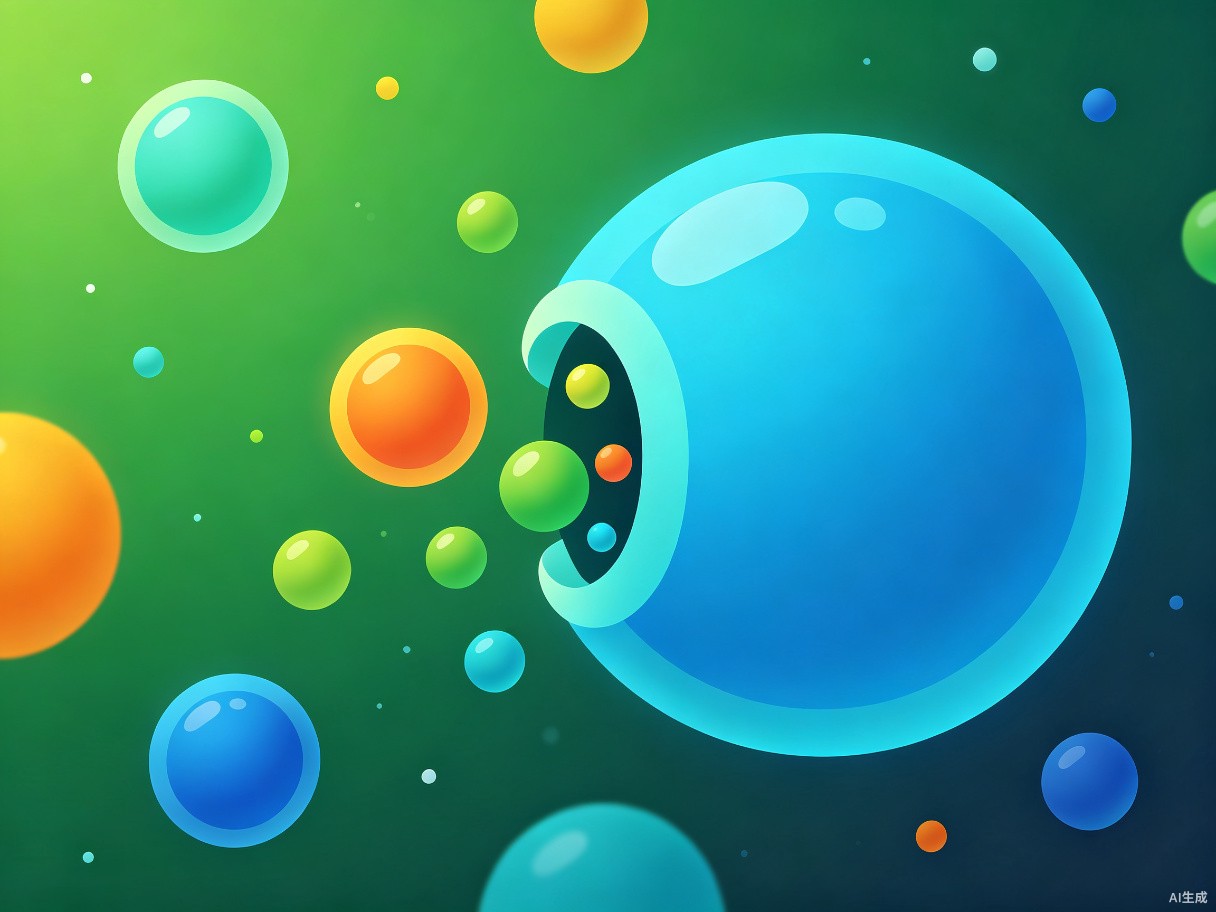
Agar.io is the game that launched the .io genre in 2015 and remains one of the most-played browser games in 2026 with 8+ million monthly active users. Its simple premise — eat smaller cells, avoid larger ones — hides a surprising depth of strategy. This guide covers everything from basic survival to advanced team tactics.
The Mathematics of Growth
Understanding Agar.io's growth mechanics is essential for high-level play:
| Action | Mass Change | Risk Level | Best Used When |
|---|---|---|---|
| Eat pellet | +1 mass | None | Always safe |
| Eat small cell | +50% of their mass | Medium | Size advantage confirmed |
| Split attack | Halve your mass | High | Target is 50-70% your size |
| Eject mass | -14 mass | Low | Feeding teammates, baiting |
| Virus split | Split to 16 pieces | Very High | Desperate escape only |
Key insight: Your cell loses mass passively at a rate of 0.2% per second. This means a 10,000-mass cell loses 20 mass every second. Aggressive play is mathematically superior to passive play because you lose mass regardless.
Core Strategies by Game Phase
Early Game (0-500 mass): Survival Mode
Priority: Avoid all cells larger than you. Even cells that are only 20% bigger can split-kill you.
Optimal strategy:
- Spawn near the map edge (fewer large cells)
- Eat pellets until you reach 150 mass
- Look for cells between 50-100 mass (safe to eat without splitting)
- Avoid the center until you reach 300+ mass
Common mistake: Rushing to the center for "more action." The center has the highest concentration of large cells. Edge play is safer and more consistent.
Mid Game (500-3000 mass): Opportunistic Hunting
Priority: Identify split-kill opportunities while avoiding being split-killed.
The 70% Rule: You can safely split-kill any cell that is between 50% and 70% of your mass. Below 50%, your split pieces will not be large enough to consume them. Above 70%, you risk them eating your split pieces instead.
Virus awareness: At this mass range, viruses are your biggest threat. A single virus hit splits you into 16 pieces, making you easy prey. Stay at least 3 cell-widths away from all viruses.
Late Game (3000+ mass): Dominance and Defense
Priority: Maintain your lead while preventing counter-plays.
The W Technique: Eject mass (W) in a line behind you as you move. This creates a trail that slows down pursuers who try to eat it, buying you escape time.
Corner Trapping: As a large cell, herd smaller cells into corners. They have fewer escape routes, making split-kills easier.
Team Feeding: In team mode, feed your largest teammate. One 20,000-mass cell is more powerful than two 10,000-mass cells because it can split-kill larger opponents.
Advanced Techniques
The Split-Run
When being chased by a slightly larger cell:
- Split forward (Space) toward a cluster of pellets or smaller cells
- Your front piece eats the pellets, growing larger
- The chasing cell either gives up or risks being eaten by your now-larger front piece
Risk: If there is nothing to eat in front of you, the split-run leaves you vulnerable.
Virus Baiting
Feed a virus (W key 7 times) until it shoots out a piece. Time it so the virus piece hits a large enemy cell.
The math: A virus splits any cell above 130 mass into 16 pieces. If you bait a 5,000-mass cell into a virus, it becomes 16 pieces of ~312 mass each — easy food for you and your teammates.
The Decoy
Eject mass near a virus to attract smaller cells. When they come to eat the mass, split-kill them.
Advanced version: Eject mass, wait for a medium cell to eat it, then have a teammate virus the now-larger cell.
Game Mode Breakdown
FFA (Free For All)
Pure chaos. Every cell for itself. Best for practicing individual mechanics.
Win condition: Reach #1 on the leaderboard and maintain it for 60 seconds.
Strategy: Play aggressive in early game, defensive in late game. The #1 cell becomes a target for everyone.
Teams Mode
Players are divided into colored teams. Teamwork is essential.
Meta strategy:
- One player grows massive (the "tank")
- Others stay medium-sized (the "hunters")
- Hunters split-kill enemies, then feed the tank
- Tank provides protection and area control
Communication: Use Discord or in-game signals. Coordinated teams dominate random players.
Battle Royale
The map shrinks over time, forcing encounters.
Strategy: Start at the edge and move inward with the zone. Let other players fight each other, then clean up the survivors.
Experimental Mode
Modified mechanics like faster movement, bigger starting mass, or reversed controls.
Tip: Read the mode description before spawning. Experimental modes can change fundamental mechanics.
FAQ
Q: What is the best starting strategy? Spawn at the edge, eat pellets until 150 mass, then look for small cells to eat. Avoid the center until 300+ mass.
Q: How do viruses work? Green spiky cells. If you are above 130 mass and touch one, you split into 16 pieces. You can shoot viruses by feeding them mass (W key 7 times), causing them to eject a piece that splits anyone it hits.
Q: Is teaming allowed in FFA? Technically no, but it happens constantly. Solo players should avoid areas with multiple cells of the same skin — they are likely teaming.
Q: What is the world record mass? Theoretical maximum is around 50,000 mass, but maintaining it is nearly impossible due to passive mass loss and constant attacks. The highest verified screenshot is 42,000 mass.
Q: Do skins affect gameplay? No. All skins are purely cosmetic. However, some skins are harder to see against certain backgrounds, giving a tiny visual advantage.
Conclusion
Agar.io is a game of constant risk assessment. Every split is a gamble, every virus is a weapon, and every pellet is a step toward dominance. Master the 70% rule, practice virus baiting, and learn to work with teammates. Whether you are playing FFA, Teams, or Battle Royale, the fundamentals remain the same: eat, grow, and never stop moving.